

What is the GPT Store?
The GPT Store is a marketplace for
innovative AI solutions
based on ChatGPT. As aspecialized Chat GPT AppStore, it offers countless apps in the field of artificial intelligence.
AI platform as a trading platform for countless AI apps
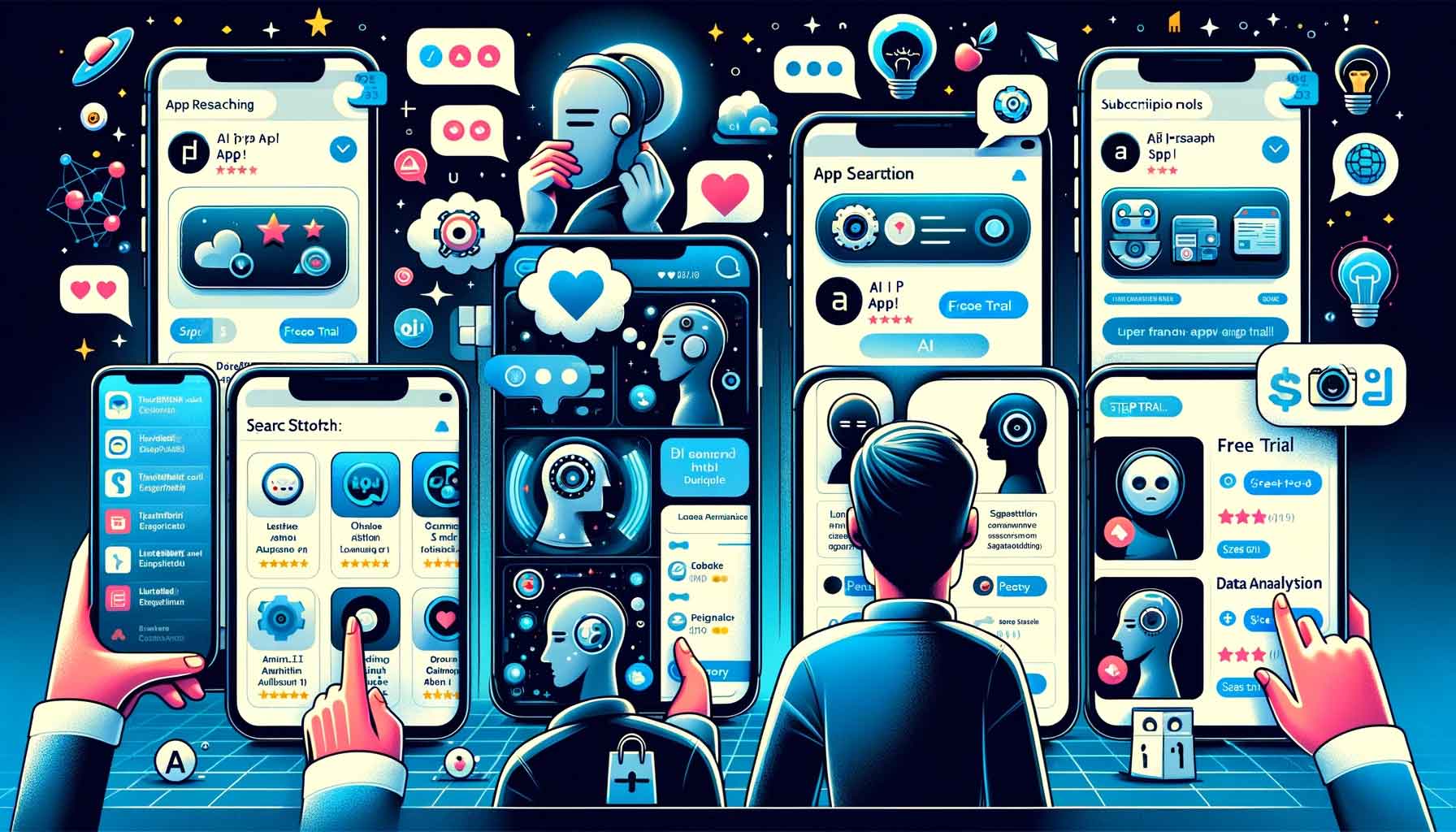
The AI platform of the GPT Appstore is thus positioning itself as a marketplace for AI apps. The apps on offer are ultimately all chatbots based on the OpenAI technology ChatGPT. As a result, it offers a wide variety of apps that focus on providing specialized chat clients based on Generative Pre-trained Transformer (GPT) models.
These models, developed by OpenAI, currently represent significant progress in the world of artificial intelligence, particularly in the areas of machine learning and natural language processing. The GPT Store uses these advanced technologies to offer a wide range of applications, from simple text generators to complex data-driven analysis tools.
How do I access the GPT Store?
You can use the following methods to access the GPT Store:
- Direct access via your web browser: You can access the GPT Store directly via a web browser by entering the URL of the GPT Store https://chat.openai.com/gpts in the address bar.
- Search engines: By entering “GPT Store” or an app you already know into a search engine, you can find the GPT Store just as quickly.
Do I need a Chat GPT account?
A GPT account is required to access the GPT Store. This account allows you to access the various functions and offers of the store, make purchases and manage your preferences. It is conceivable that future offers will enable the use of individual apps without a separate GPT account. However, this option depends on the specific terms of use and guidelines of the respective app developer and the GPT Store.
Why does the GPT Store exist?
The importance of the GPT Store lies in its role as a central marketplace that enables both developers and end users to gain access to the latest and most advanced AI-based tools.
For software developers, the GPT Store offers an AI platform to make their GPT-based applications accessible to a wider audience. For end users, on the other hand, it is a valuable resource for gaining access to a variety of tools ranging from creative writing aids to powerful business analytics tools.
Concept and functions of the GPT Store

Technology of the GPT Store
Technology of the GPT Store
AI technologies used
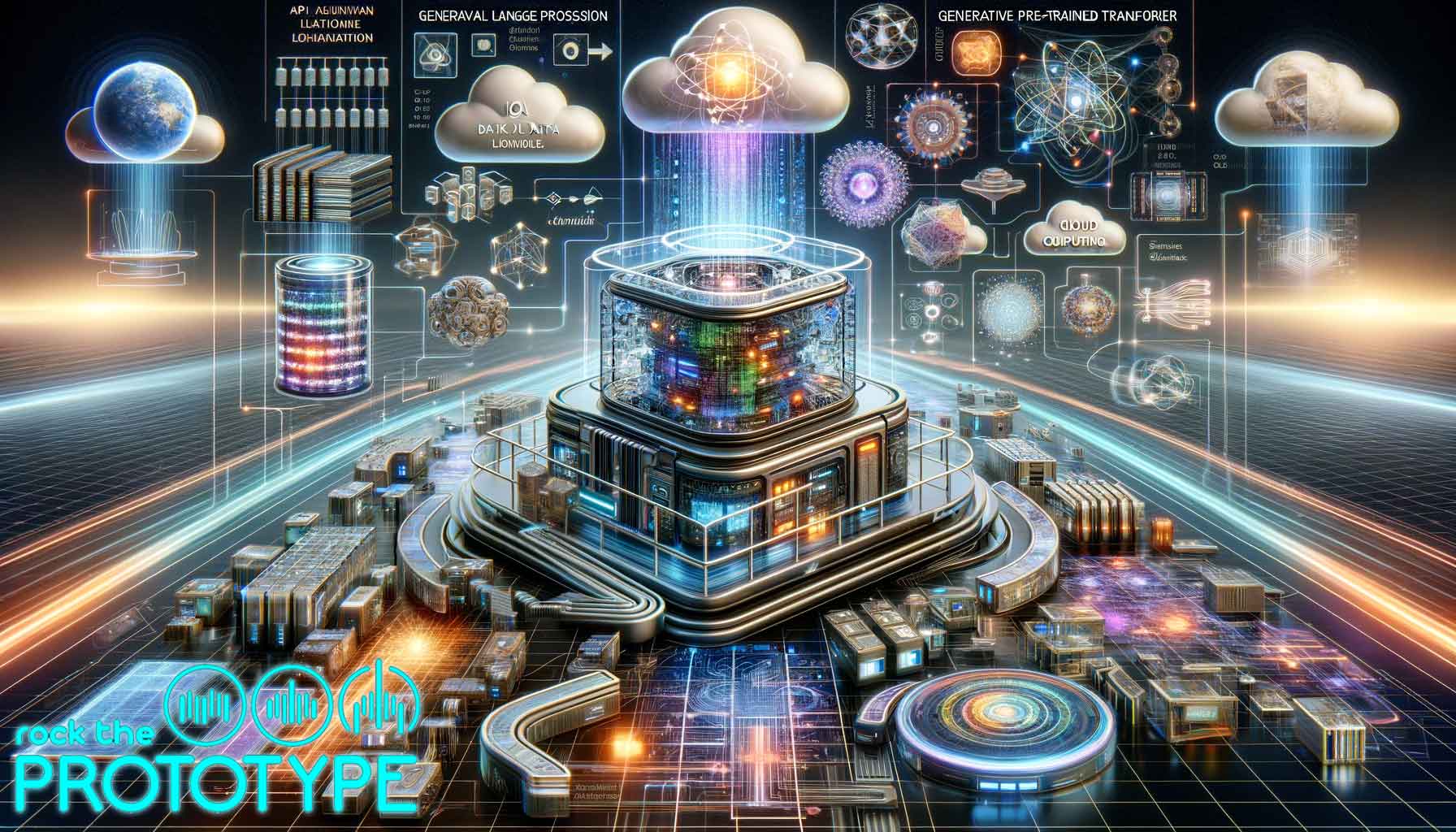
- Generative Pre-trained Transformer (GPT) models: The GPT Store is based on GPT models, a type of AI specifically designed for generating text. These models use deep learning, in particular transformer architectures, to learn from large amounts of data and then generate high-quality, coherent and context-related texts. They are able to cope with various language tasks such as text summarization, translation, question-and-answer systems and creative writing.
- NLP and machine learning: In addition to GPT models, the store also uses advanced machine learning and natural language processing (NLP) techniques to extend the functionality of the applications and improve user interaction.
- Cloud computing and big data: To support the computationally intensive GPT models, the store uses cloud computing technologies and big data infrastructures that enable high scalability and data processing capacity.
Technological AI evolution and AI-based improvements
- From GPT-1 to GPT-3 and beyond: The development of GPT models has made significant progress over the years, starting with GPT-1, which already showed impressive results in text generation, through GPT-2, which became known for its ability to generate coherent and contextual text, to GPT-3, which has an even greater text understanding and generation capacity. Future versions are expected to be even more powerful, especially in terms of understanding, contextualization and specialization.
- Improved algorithms and learning methods: Over time, improvements in algorithms and learning methods have helped to increase the accuracy, speed and efficiency of GPT models. This includes advances in transfer learning methodology, finer tuning methods and better natural language processing.
- Extended applicability and personalization: Earlier versions of the GPT models were mainly limited to text generation. Newer developments enable a wider range of applications, including voice recognition, image analysis and personalized content based on individual user preferences.
- Integration with other technologies: The integration of GPT models with other technologies such as IoT, augmented reality and virtual reality opens up new possibilities for innovative applications and services in the GPT Store.
The technological basis of the GPT Store reflects constant development and improvement, which makes it possible to offer ever more sophisticated and user-friendly applications. By continuously integrating the latest technologies, the GPT Store remains at the forefront of AI innovation and application.
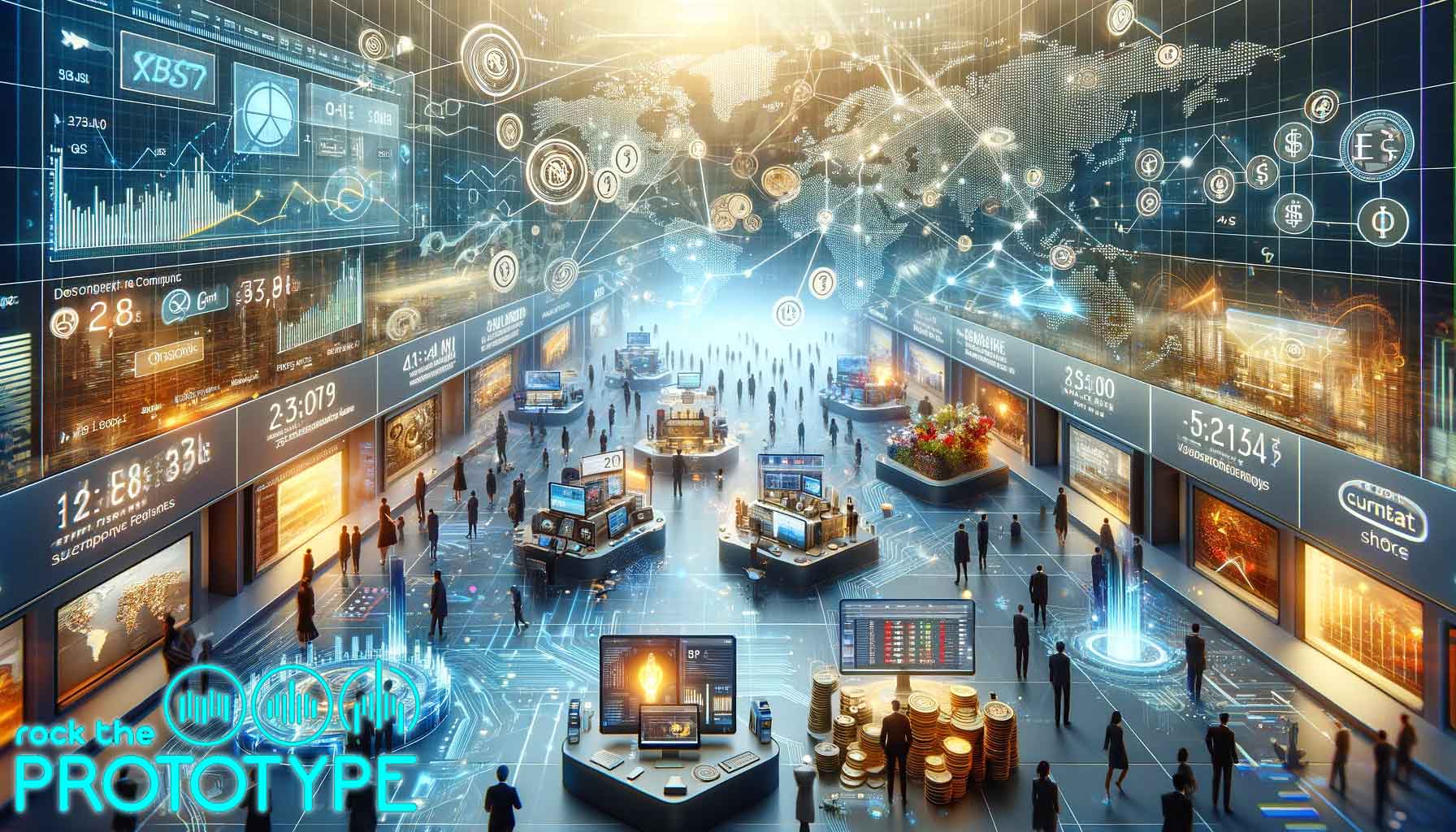
GPT App Store as an international trading center
Economic aspects, pricing model and market economy of the GPT Store
The GPT Store’s business model is based on multiple sources of income that complement each other to create a sustainable and profitable business.
- Sale of applications and services: The store’s main revenue comes from the sale of applications based on GPT technology. These can be one-off purchases or subscription-based services. Examples of this are
- One-off purchase of text generation software: 50-100 euros.
- Monthly subscription for an advanced data analysis application: 20-50 euros per month.
- Commissions for developer sales: The store receives a percentage of the sales made via the platform. These commissions vary, but are generally around 15-30% of the sales price.
- Premium memberships: For users who want access to exclusive content or advanced features, the store offers premium memberships. These could cost between 10 and 30 euros per month.
- Advertising and partnerships: The store generates revenue through advertising space within the platform and through partnerships with other companies that wish to market their products or services to the store’s user base.
GPT App Stores – Multinational AI Marketplace
Economic significance and market influence
- Promoting innovation: The GPT Store drives the development and dissemination of AI-based technologies by providing a platform for innovative applications. This promotes growth in the tech industry and supports the evolution of new business models.
- Creation of new jobs: By promoting new applications and services, the GPT Store creates new jobs, both directly within the company and indirectly by supporting developers and creatives.
- Influence on the market: The store influences the market for AI applications by setting standards for quality and user experience. By positioning itself as a leading provider in this area, the store can significantly influence the direction in which the industry develops.
- Global reach: As a digital platform, the GPT Store has the potential to operate globally, giving it access to a worldwide market and a diversified user base.
- Data generation and analysis: The GPT Store collects valuable data on user behavior and preferences, which can be used for the further development of AI technologies and for strategic market decisions.
The business model of the GPT Store is therefore geared towards generating revenue through the sale and provision of AI-based applications and services. At the same time, it promotes technological innovation and has a significant impact on the market for AI applications.
Top 10 GPT apps in the GPT Store
TOP 10 GPT apps in the GPT Store
What are currently the most popular GPT apps in the App Store? Which GPT apps are particularly popular and in demand right now?
- ChatGPT – Official App by OpenAI: This app synchronizes chat histories between devices and offers fast, customized responses. It offers a basic plan free of charge, while the premium plan costs 19.99 dollars.
- Bing – Chat with AI and GPT-4: This app offers well-researched summaries and is versatile, from email creation to creative writing. Bing is available free of charge.
- Genie – AI Chatbot: Genie is easy to use and offers a wide range of application options. There are various price plans, including a free basic plan and various premium options ranging from 5.99 to 99.99 dollars.
- AI Chatbot – Open Chat AI: This chatbot offers a variety of features and has different pricing plans ranging from a free basic plan to a lifetime plan for 99.99 dollars.
- Genius: AI Chat: This app improves typing skills and offers a basic plan for free as well as premium plans that range from $6.99 to $89.99.
- ChatOn: AI Chat Bot Assistant: ChatOn offers customized writing assistance and idea generation. There is a free basic plan and a premium plan that costs 49.99 dollars a year.
- AI Chat – Assistant & Chatbot: This app focuses on deep and meaningful connections and offers various pricing plans, including a free basic plan and various AI Plus plans ranging from $19.99 to $69.99.
- Chatsonic: This app uses GPT-4 technology and offers features such as real-time data search and AI art models. The basic plan is free, while the premium plan has a weekly subscription fee of 9.99 dollars.
- Frank – AI Chat Assistant: Frank offers natural language processing and an optimized digital experience, but specific pricing information was not provided.
- Roboco AI : Powered by ChatGPT: Roboco offers a seamless conversational experience and customization. No precise price information was provided here either.
An online search was carried out on 12.02.2024 to determine the most popular GPT apps currently available in the App Store. We specifically looked at sources that provide lists and ratings of GPT apps for iOS devices.
The criteria used to rank these apps included several factors such as:
- User-friendliness: How easy and intuitive are the apps to use?
- Functionality: What different functions do the apps offer?
- Innovation: How innovative are the features of the apps compared to other offerings on the market?
- Value for money: How do the various price plans compare to the features they offer?
- User ratings and feedback: How positive is the feedback and ratings from users in the app stores?
The apps mentioned were selected based on their popularity, range of functions and positive user ratings.
Please note that the range is constantly expanding and the popularity and functionality of apps is also constantly changing. We therefore recommend that you carry out your own assessment and evaluate the AI apps independently according to our or comparable guiding criteria. You should put your own requirements first, which will most likely lead to a different assessment with a completely different result.